Content Strategy
How to create content that AI platforms want to cite, quote, and recommend
Content strategy for AI visibility goes beyond traditional content marketing. It requires creating content that is not just engaging for human readers, but structurally optimized for AI systems to parse, understand, and cite. The content that earns AI citations is authoritative, well-structured, specific, and directly answers the questions that AI platforms are being asked.
The Content Strategy framework
Map AI-driven queries in your category
Identify what your target audience is asking AI platforms about your industry. These questions differ from traditional search queries: they are more conversational, more specific, and often ask for recommendations or comparisons.
Structure content for extraction
AI platforms extract specific passages from your content. Write so each section can stand alone as a complete answer. Use clear H2/H3 headings that match question formats. Front-load key information. Keep paragraphs focused on a single point.
Write with authoritative, citable language
AI platforms cite sources that make definitive statements backed by evidence. Avoid hedging ("might," "could," "some say"). Use specific data points, name frameworks, and take clear positions.
Build content clusters around core entities
Create interconnected content hubs where each piece covers a specific facet of your core topics. Internal linking between related pieces signals topical depth. AI platforms associate comprehensive coverage with authority.
Incorporate original data and unique insights
AI platforms prioritize sources that add information not found elsewhere. Conduct original surveys, publish proprietary data, share case studies with specific results, and provide expert analysis that cannot be found in competitor content.
Articles about Content Strategy
View all →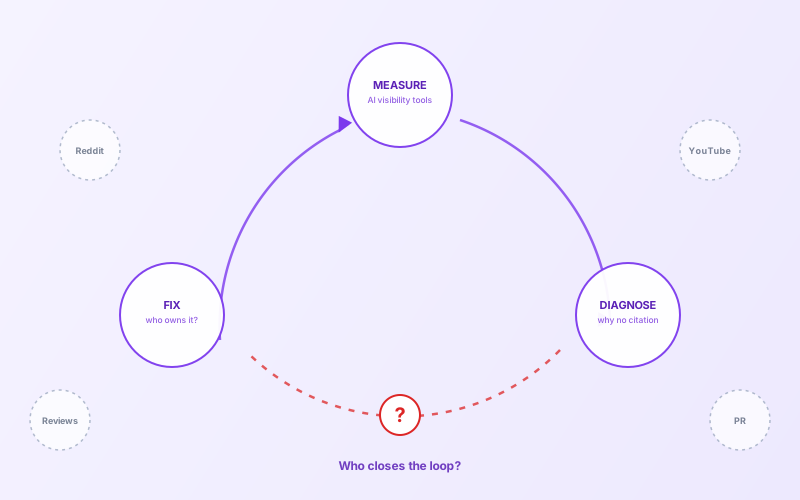
Closing the Loop on AI Search: My Takeaways From Writesonic's AEO Webinar
Notes from Writesonic's webinar on AI search revenue, featuring data from roughly 2 billion AI chat conversations and 18+ years of hands-on search experience from SOZO. Seven takeaways, and the question I can't stop asking: who actually closes the loop between AI visibility data and the fixes that live outside the dashboard?
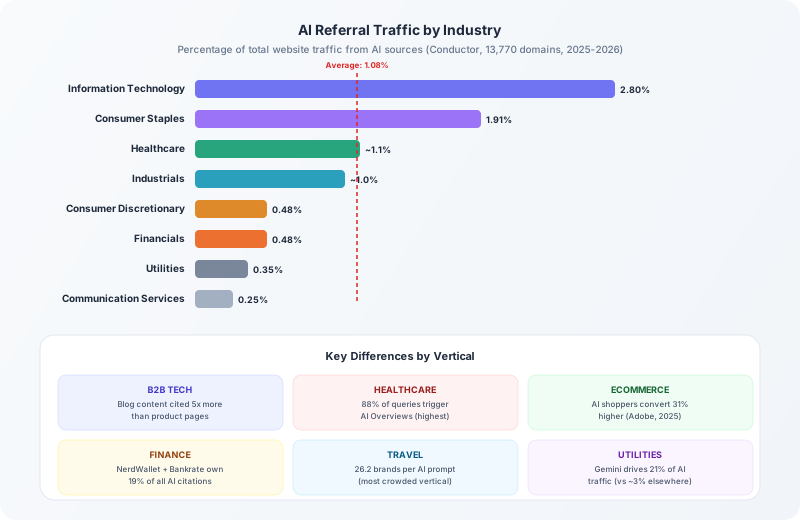
AI Visibility by Industry: What the Data Says About Your Vertical
AI visibility varies dramatically by industry. IT gets 11x more AI traffic than communication services. Healthcare triggers AI Overviews 88% of the time. Here is what the research says about your vertical.
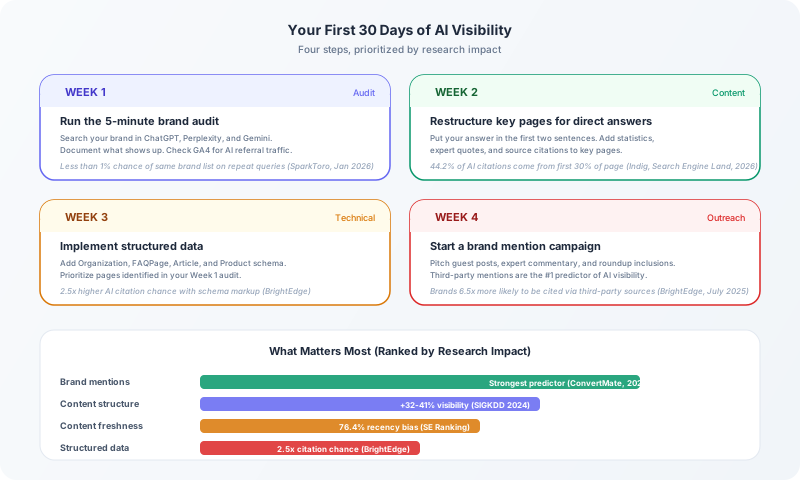
AI Visibility for Brands: Where to Start When You Have Never Done This Before
A step-by-step starter guide for brands new to AI search. How to audit your current visibility, what to fix first, and what to skip.
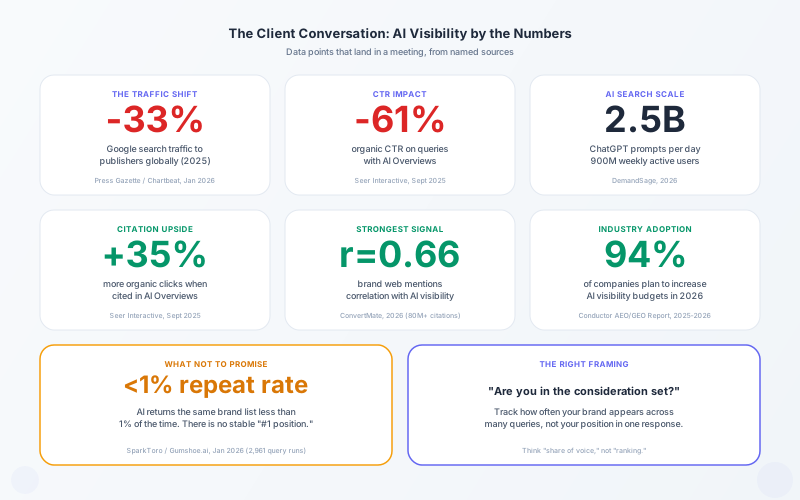
Your Client Just Asked About AI Visibility. Here Is How to Answer.
Every client is asking about AI search now. Here is what to tell them, what you can show them, and what to be honest about, backed by 15+ named studies.
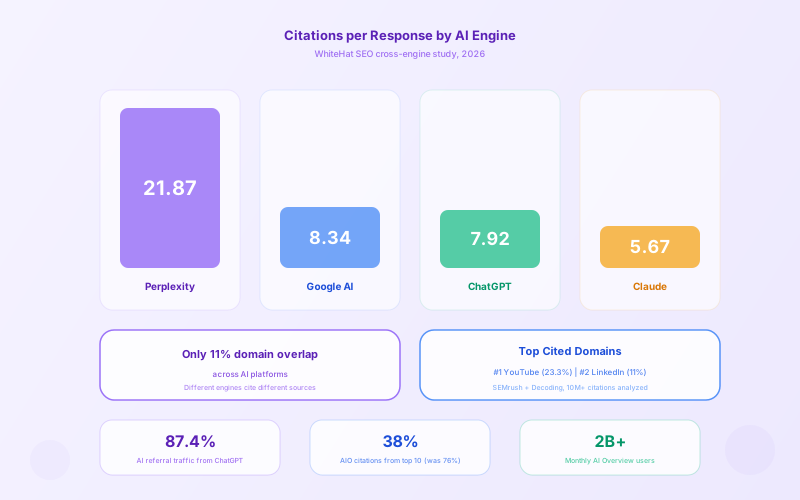
The Multi-Engine AI Visibility Gap: Why Optimizing for One AI Platform Is Not Enough
New research shows citation rates vary dramatically across AI engines, with only 11% domain overlap between platforms. Here is the data on what each engine prioritizes, and why a single-platform strategy leaves most of your AI visibility on the table.
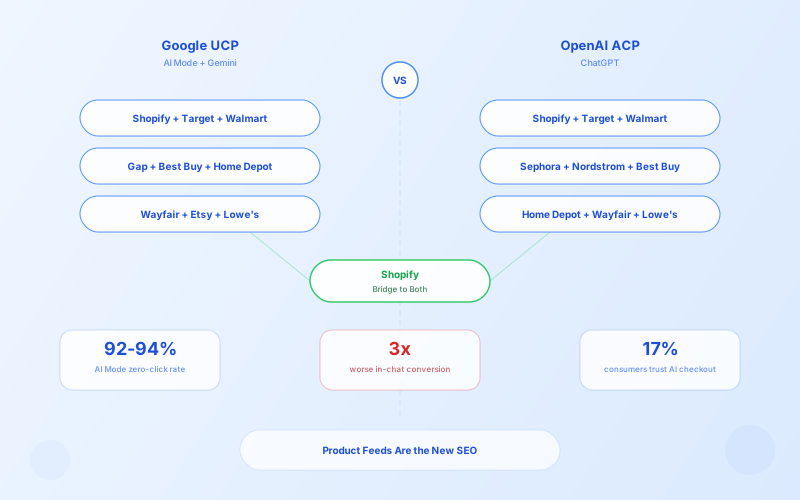
The AI Commerce Wars: How Google and OpenAI Are Building Two Competing Shopping Ecosystems
Google launched the Universal Commerce Protocol. OpenAI launched the Agentic Commerce Protocol. Walmart, Gap, Target, and dozens of retailers are picking sides. Here is what the data shows about AI-powered shopping and what it means for brand visibility.
Frequently asked questions
What type of content gets cited most by AI platforms?
Content that provides direct, specific answers to questions, includes original data or unique insights, uses clear structure with question-matching headings, and comes from authoritative sources. FAQs, comprehensive guides, comparison content, and data-driven analysis consistently earn the most citations.
How should I structure blog posts for AI visibility?
Use H2 headings that match common questions. Provide a direct answer in the first 1-2 sentences of each section. Include specific data points. Add FAQ sections with schema markup. Keep paragraphs focused and extractable.
Should I create content specifically for AI platforms?
No. Create content for your human audience that is also optimized for AI consumption. The qualities that make content good for AI citation (clarity, authority, specificity, structure) also make it more useful for human readers.
How often should I update content for AI visibility?
For platforms that use real-time web search (Perplexity, ChatGPT, Copilot), freshness matters. Update key pages monthly. For training-data-dependent platforms (Claude, base Gemini), focus on comprehensive, evergreen content.
Stay ahead of AI visibility trends
Get weekly insights on AEO, GEO, and AI platform changes delivered to your inbox.
No spam. Unsubscribe anytime.