Technical Optimization
The technical infrastructure that makes your content accessible and citable by AI systems
Technical optimization for AI visibility encompasses the structured data, crawler management, and infrastructure decisions that determine whether AI platforms can access, understand, and cite your content. This is the foundation layer: without proper technical setup, even the best content may remain invisible to AI systems.
The Technical Optimization framework
Configure AI crawler access
Map all AI-specific user agents (GPTBot, ClaudeBot, PerplexityBot, Google-Extended, Bingbot) and configure your robots.txt to explicitly allow the ones you want indexing your content. Monitor server logs to verify crawl activity.
Implement comprehensive structured data
Deploy JSON-LD schema markup across your site: Organization for your brand entity, Article/BlogPosting for content, FAQPage for Q&A sections, HowTo for process content, Product for offerings, and Person for author attribution.
Optimize page architecture for AI parsing
Use semantic HTML5 elements (article, section, nav, aside). Ensure heading hierarchy is logical (H1 > H2 > H3). Keep critical content in HTML rather than JavaScript-rendered elements. Provide text alternatives for visual content.
Ensure content is server-side rendered
AI crawlers may not execute JavaScript. If your site uses client-side rendering (React, Vue, Angular SPAs), implement server-side rendering or pre-rendering to ensure AI crawlers see your full content.
Monitor and validate AI platform access
Regularly check server logs for AI crawler activity. Verify your pages render correctly for bots. Test that structured data validates without errors. Monitor for rate limiting that could affect AI platform access.
Articles about Technical Optimization
View all →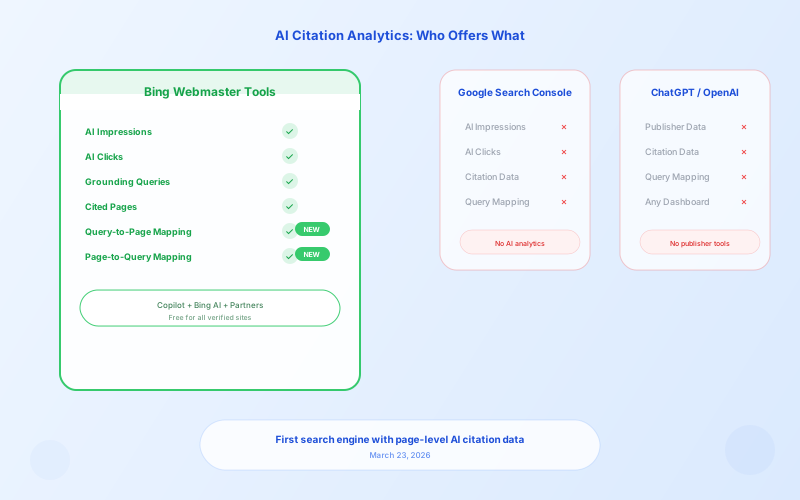
Microsoft Just Shipped the AI Visibility Tool Google Won't Build
Bing Webmaster Tools now shows exactly which pages get cited for which AI queries. It is the first search engine to offer page-level AI citation analytics. Here is what it shows, how to use it, and why it matters.
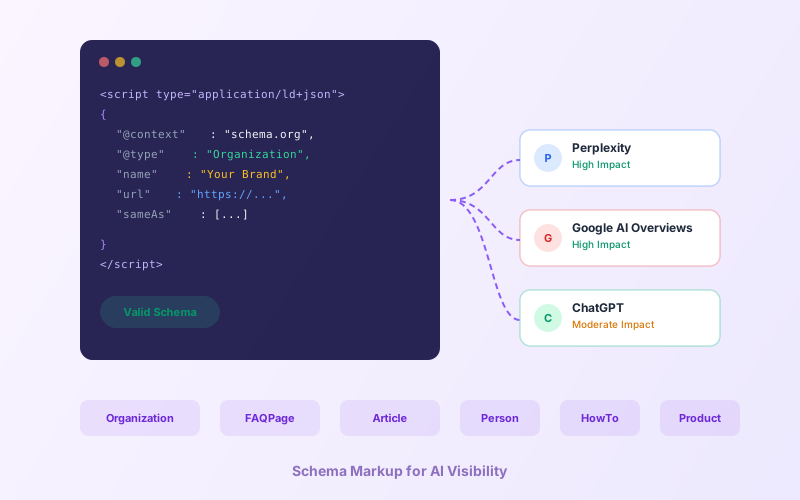
The Schema Markup That Actually Matters for AI Visibility
Most businesses add schema markup and then wonder why nothing changes. The problem is not that schema does not work. The problem is they are adding the wrong types, adding them incorrectly, or expecting schema to do something it was never designed to do. Here is what actually matters.
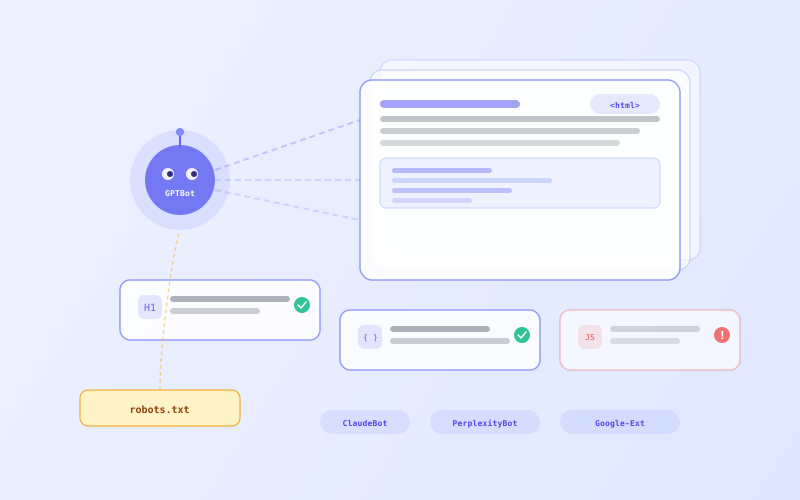
What AI Crawlers Actually See When They Visit Your Website
GPTBot, ClaudeBot, PerplexityBot - AI crawlers visit your site every day. But they're less capable than Googlebot, and most marketers have no idea what they can and can't read. Here's what's actually happening.
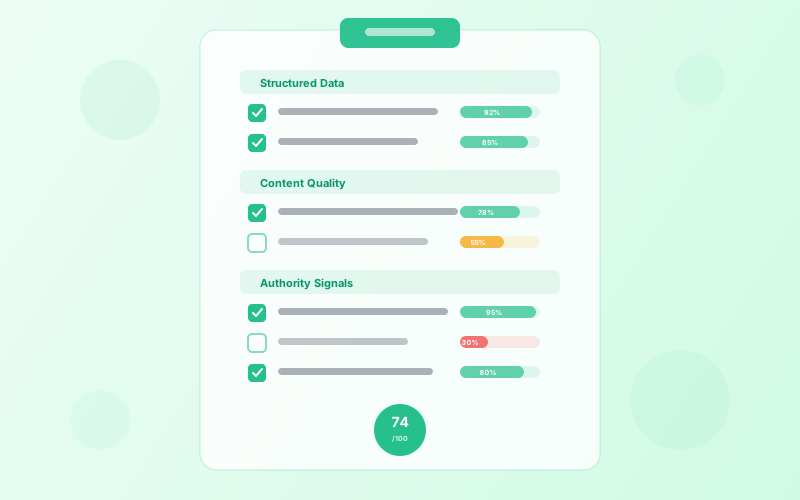
The AI Visibility Audit Checklist: 7 Things Every Page Needs
Structured data, FAQ content, authority signals - here's exactly what AI platforms look for when deciding which sources to cite. Use this checklist to audit your own pages.
Optimizing for Perplexity AI: A Data-Driven Approach
Perplexity searches the web in real-time and cites sources explicitly. This makes it the most actionable AI platform for visibility optimization. Here's how to rank.
Frequently asked questions
Which AI crawlers should I allow on my site?
The major AI crawlers are: GPTBot (OpenAI/ChatGPT), ClaudeBot (Anthropic/Claude), PerplexityBot (Perplexity AI), Google-Extended (Gemini training), and Bingbot (Microsoft Copilot). Most brands benefit from allowing all of these to maximize AI visibility.
What structured data is most important for AI visibility?
Start with Organization (brand entity), Article/BlogPosting (content), and FAQPage (Q&A content). Then add HowTo for process content, Product for offerings, and Person for author attribution. JSON-LD format is preferred by all major platforms.
Does site speed affect AI visibility?
Indirectly, yes. AI crawlers have limited time for each crawl. Faster pages are more likely to be fully crawled and indexed. For platforms that use web search (Perplexity, Copilot, ChatGPT), Core Web Vitals affect the underlying search rankings.
Do I need SSR for my JavaScript site to appear in AI answers?
It is strongly recommended. While some AI crawlers can execute JavaScript, many cannot. Server-side rendering ensures your content is visible to all AI crawlers and eliminates rendering as a barrier to AI visibility.
Stay ahead of AI visibility trends
Get weekly insights on AEO, GEO, and AI platform changes delivered to your inbox.
No spam. Unsubscribe anytime.